Style Signals
Why Everyone Suddenly Wants to Look Rich (Without Looking Rich)
The timeline pivoted fast. Loud logos, maximalist prints, and hyped drops gave way to cream cashmere, navy blazers, loafers without socks, and heirloom watches you have to squint to identify.
Quiet luxury—and its sibling, the “old money” aesthetic—isn't just a TikTok fad. It's a cultural reaction to chaos, nostalgia, and the need to signal stability without shouting.
What “Old Money” Style Actually Means
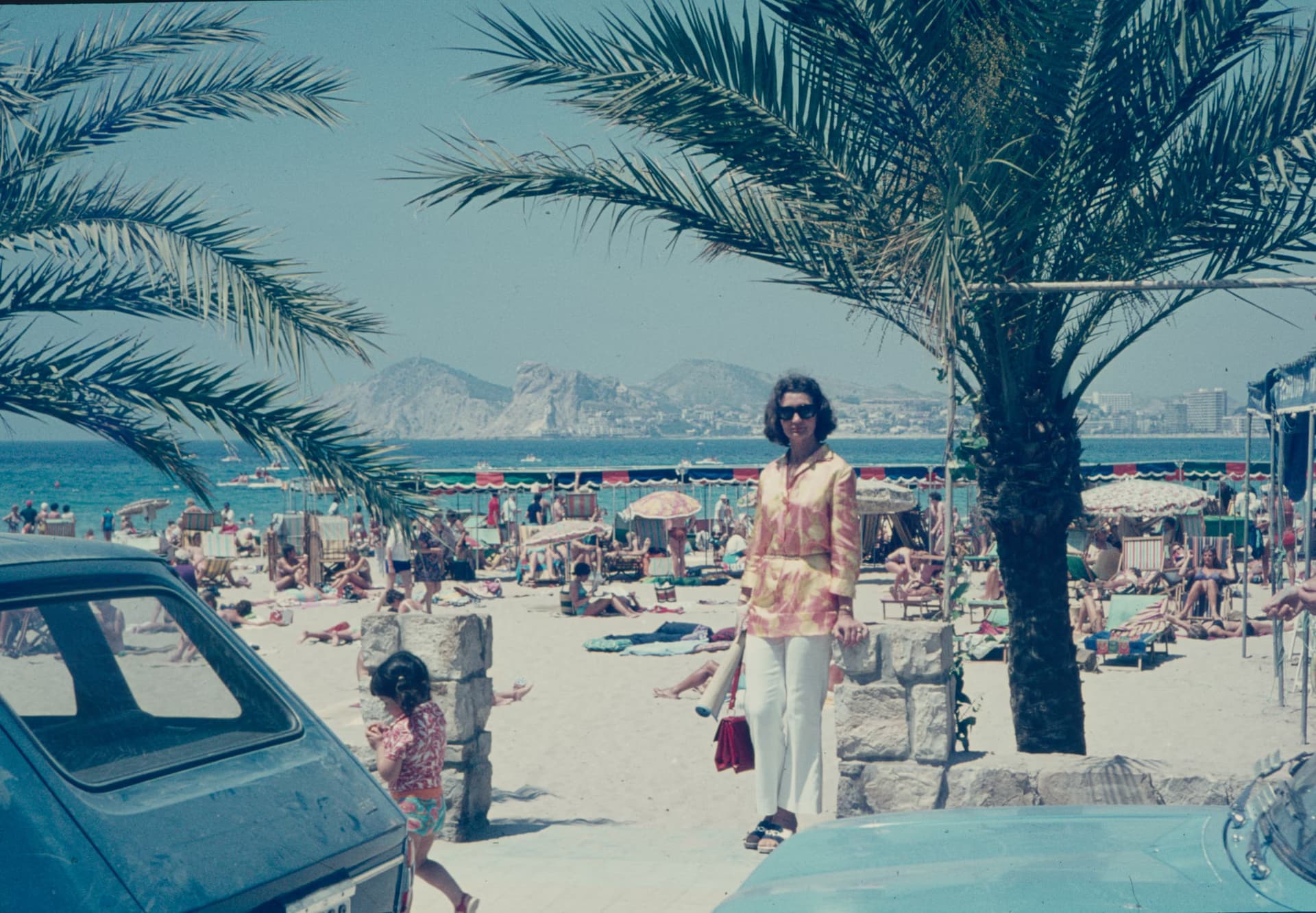
Think Kennedys in Hyannis Port, Slim Aarons photography, or a Wes Anderson color palette. The pillars are timeless silhouettes, natural fibers, quality over quantity, and a refusal to treat clothing like billboard space.
The attitude says, “This has been in the family closet for decades,” even if you bought it last week.
Why Quiet Luxury Hit Critical Mass in 2025
- Economic anxiety: When headlines scream instability, understated style telegraphs permanence.
- Nostalgia: We romanticize pre-digital eras where craftsmanship mattered more than virality.
- Status signaling: True wealth doesn't need logos. Taste is the new flex.
- Creator influence: “Stealth wealth” explainers racked up millions of views, rewriting the mood board overnight.
How Brands Are Responding
Luxury houses are shrinking logos, reviving heritage archives, and investing in cleaner tailoring. Mid-market labels are releasing “old money” capsules with better materials and simpler lines. Even fast fashion is chasing the aesthetic—though usually at the cost of quality.
The winners lead with craftsmanship stories, not hype drops.
Build Your Own Quiet-Luxury Capsule
- Neutral cashmere or merino knit.
- Tailored navy or camel blazer.
- Dark denim or pleated trousers with precise tailoring.
- Loafers or leather sneakers in minimal silhouettes.
- A single signature accessory—vintage watch, signet ring, silk scarf.
Fit and care matter more than price. Steam your clothes. Polish your shoes. Mend the small snags. Intentional maintenance is part of the signal.
The Critiques Are Fair
Quiet luxury can feel exclusionary. It flirts with cosplaying generational wealth while ignoring the systems that produced it. And yes, spending $400 on an “unbranded” tee is still conspicuous consumption.
But the core principles—buy less, buy better, wear things longer—are worth keeping, even if you build your wardrobe from vintage shops and tailor receipts instead of elite boutiques.
What to Do Next
- Edit your closet. Keep only what fits, flatters, and lasts.
- Invest in one elevated staple per season instead of impulse hauls.
- Document outfits so you can see patterns in what actually works.
- Care for everything you own—lint roll, de-pill, repair.
Quiet luxury isn't about pretending you have a trust fund. It's about presenting yourself with calm, confident intent—and letting quality do the talking.
Keep exploring
Stories from the passing Scene
Further notes of thoughts that passed our mind.
November 11, 2025
WCAG 2.2 AA Compliance: Why Accessibility Isn't Optional
In 2025, with the enforcement of the EU Accessibility Act, website accessibility is no longer optional. It's the law. And WCAG 2.2 AA is the standard you need to meet.
Read this storyDecember 17, 2025
The Research Phase Nobody Budgets For
The part nobody wants to pay for upfront. How we spent months researching Vispea instead of launching fast—and why that changed everything.
Read this storyNovember 2, 2025
Why Your Website's Slow Speed Is Costing You Customers
Every second of load time leaks conversions, rankings, and trust. See the math behind slow sites, why they happen, and how to rebuild for sub-second performance.
Read this storyJune 3, 2026
What Is an AI Operations Audit? How It Works and What You Get
An AI Operations Audit maps where your company's knowledge and data lives, finds the highest-value opportunities for AI, and gives you a clear plan before you spend on implementation. Here's exactly what it involves.
Read this story